Buy nordlichter.eu ?
We are moving the project
nordlichter.eu .
Are you interested in purchasing the domain
nordlichter.eu ?
domain@kv-gmbh.de · 0541-91531010
Buy nordlichter.eu ?
What distinguishes conditional probability from independent probability?
Conditional probability is the probability of an event occurring given that another event has already occurred. It takes into account the information about the occurrence of one event when calculating the probability of another event. Independent probability, on the other hand, is the probability of one event occurring without any influence from the occurrence of another event. In other words, conditional probability is influenced by the occurrence of a specific event, while independent probability is not influenced by any other event. **
Will northern lights disappear?
No, the northern lights will not disappear. The northern lights, also known as aurora borealis, are a natural phenomenon caused by the interaction of solar particles with the Earth's magnetic field. As long as the sun continues to emit solar particles and the Earth's magnetic field remains intact, the northern lights will continue to appear in the polar regions. However, factors such as solar activity and climate change can affect the frequency and intensity of the northern lights. **

Similar search terms for Probability
Top-Angebote
Products related to Probability:


-
Are northern lights dangerous?
No, northern lights are not dangerous. They are a natural phenomenon caused by the interaction of charged particles from the sun with the Earth's atmosphere. While they can be a mesmerizing sight to behold, they do not pose any direct threat to human beings. In fact, many people travel to northern regions specifically to witness the beauty of the northern lights. **
-
What is a probability space in probability theory?
A probability space in probability theory consists of three components: a sample space, an event space, and a probability measure. The sample space is the set of all possible outcomes of an experiment, the event space is a collection of subsets of the sample space representing different events, and the probability measure assigns a probability to each event in the event space. Together, these components define the mathematical framework for analyzing the likelihood of different outcomes in a probabilistic setting. **
-
What are the rules of probability in probability theory?
In probability theory, the rules of probability govern how probabilities are calculated and combined. The rules include the addition rule, which states that the probability of either of two mutually exclusive events occurring is the sum of their individual probabilities. The multiplication rule is used to calculate the probability of two independent events both occurring. Additionally, the complement rule states that the probability of an event not occurring is 1 minus the probability of the event occurring. These rules are fundamental in determining the likelihood of different outcomes in various situations. **
-
How do you correctly calculate probability in probability theory?
In probability theory, the probability of an event occurring is calculated by dividing the number of favorable outcomes by the total number of possible outcomes. This can be represented as P(A) = (Number of favorable outcomes) / (Total number of possible outcomes). It is important to ensure that all possible outcomes are accounted for and that the favorable outcomes are correctly identified. Additionally, the probability of multiple events occurring can be calculated using the multiplication rule for independent events or the addition rule for mutually exclusive events. **


What is the probability in percent in probability theory?
In probability theory, the probability of an event is a measure of the likelihood that the event will occur. It is usually expressed as a number between 0 and 1, or as a percentage between 0% and 100%. A probability of 0% means the event is impossible, while a probability of 100% means the event is certain to occur. The probability of an event can be calculated using various methods, such as counting outcomes, using probability distributions, or applying statistical techniques. **
What are the Northern Lights?
The Northern Lights, also known as Aurora Borealis, are a natural light display that occurs in the Earth's polar regions. They are caused by the interaction between charged particles from the sun and the Earth's magnetic field. The lights appear as colorful streaks or curtains of light in the sky, usually in shades of green, pink, purple, and blue. The Northern Lights are a beautiful and mesmerizing phenomenon that can be seen in countries like Norway, Iceland, Canada, and Alaska. **
Top-Angebote
Products related to Probability:
-
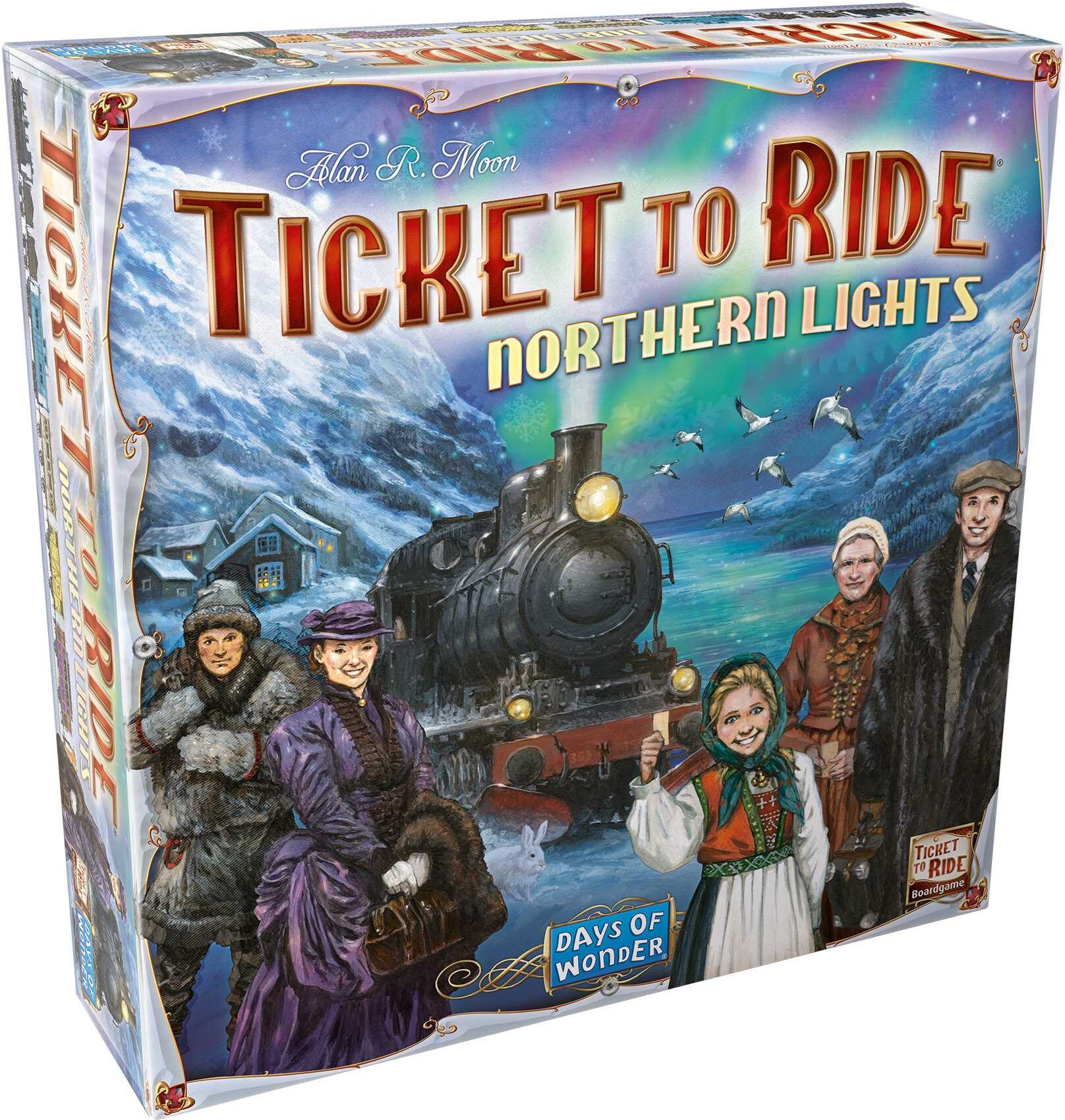
Days of Wonder Ticket to Ride: Northern Lights - Event Tickets - Northern Lights EditionBuild your rail empire across the Nordic countries in Ticket to Ride: Northern Lights, a strategic board game set among the region's ports, forests, mountains, and fjords. Claim railway routes, connect cities, and plan your network carefully as you compete to complete destination tickets and build the most impressive transportation empire. The Nordic landscape introduces routes across distinctive northern settings, including ferry connections and journeys through the countryside. Each decision matters: taking a route may help complete your plans, but can also give other players the opportunity to expand their own networks. Suitable for family and friends' game sessions, this game requires planning ahead and watching your opponents' routes to claim the connections you need before they disappear.37,97 £*Shipping: 3,95 £Secure redirect to the provider
-
Fireshine Games Core Keeper for Nintendo Switch - Game Cartridge - Explore Underground AdventureA colourful sandbox adventure where you explore procedurally generated caverns, gather resources, craft tools, build bases, plant crops, catch fish, and battle Titans. Play solo or online with up to three explorers.33,47 £*Shipping: 3,95 £Secure redirect to the provider
-
What distinguishes conditional probability from independent probability?
Conditional probability is the probability of an event occurring given that another event has already occurred. It takes into account the information about the occurrence of one event when calculating the probability of another event. Independent probability, on the other hand, is the probability of one event occurring without any influence from the occurrence of another event. In other words, conditional probability is influenced by the occurrence of a specific event, while independent probability is not influenced by any other event. **
-
Will northern lights disappear?
No, the northern lights will not disappear. The northern lights, also known as aurora borealis, are a natural phenomenon caused by the interaction of solar particles with the Earth's magnetic field. As long as the sun continues to emit solar particles and the Earth's magnetic field remains intact, the northern lights will continue to appear in the polar regions. However, factors such as solar activity and climate change can affect the frequency and intensity of the northern lights. **
-
Are northern lights dangerous?
No, northern lights are not dangerous. They are a natural phenomenon caused by the interaction of charged particles from the sun with the Earth's atmosphere. While they can be a mesmerizing sight to behold, they do not pose any direct threat to human beings. In fact, many people travel to northern regions specifically to witness the beauty of the northern lights. **
-
What is a probability space in probability theory?
A probability space in probability theory consists of three components: a sample space, an event space, and a probability measure. The sample space is the set of all possible outcomes of an experiment, the event space is a collection of subsets of the sample space representing different events, and the probability measure assigns a probability to each event in the event space. Together, these components define the mathematical framework for analyzing the likelihood of different outcomes in a probabilistic setting. **
Similar search terms for Probability
-
What are the rules of probability in probability theory?
In probability theory, the rules of probability govern how probabilities are calculated and combined. The rules include the addition rule, which states that the probability of either of two mutually exclusive events occurring is the sum of their individual probabilities. The multiplication rule is used to calculate the probability of two independent events both occurring. Additionally, the complement rule states that the probability of an event not occurring is 1 minus the probability of the event occurring. These rules are fundamental in determining the likelihood of different outcomes in various situations. **
-
How do you correctly calculate probability in probability theory?
In probability theory, the probability of an event occurring is calculated by dividing the number of favorable outcomes by the total number of possible outcomes. This can be represented as P(A) = (Number of favorable outcomes) / (Total number of possible outcomes). It is important to ensure that all possible outcomes are accounted for and that the favorable outcomes are correctly identified. Additionally, the probability of multiple events occurring can be calculated using the multiplication rule for independent events or the addition rule for mutually exclusive events. **
-
What is the probability in percent in probability theory?
In probability theory, the probability of an event is a measure of the likelihood that the event will occur. It is usually expressed as a number between 0 and 1, or as a percentage between 0% and 100%. A probability of 0% means the event is impossible, while a probability of 100% means the event is certain to occur. The probability of an event can be calculated using various methods, such as counting outcomes, using probability distributions, or applying statistical techniques. **
-
What are the Northern Lights?
The Northern Lights, also known as Aurora Borealis, are a natural light display that occurs in the Earth's polar regions. They are caused by the interaction between charged particles from the sun and the Earth's magnetic field. The lights appear as colorful streaks or curtains of light in the sky, usually in shades of green, pink, purple, and blue. The Northern Lights are a beautiful and mesmerizing phenomenon that can be seen in countries like Norway, Iceland, Canada, and Alaska. **
* All prices are inclusive of VAT and, if applicable, plus shipping costs. The offer information is based on the details provided by the respective shop and is updated through automated processes. Real-time updates do not occur, so deviations can occur in individual cases. ** Note: Parts of this content were created by AI.