Buy nordlichter.eu ?
We are moving the project
nordlichter.eu .
Are you interested in purchasing the domain
nordlichter.eu ?
domain@kv-gmbh.de · 0541-91531010
Buy nordlichter.eu ?
What is the understanding of nature in Zen Buddhism?
In Zen Buddhism, nature is seen as a reflection of the interconnectedness and impermanence of all things. Nature is considered a source of wisdom and inspiration, with its ever-changing and cyclical patterns mirroring the teachings of impermanence and the importance of living in the present moment. Practitioners of Zen often seek to connect with nature through practices such as meditation in natural settings, to deepen their understanding of themselves and the world around them. Ultimately, nature is viewed as a teacher and a reminder of the inherent interconnectedness of all beings. **
What are the differences between Buddhism and Tibetan Buddhism?
Buddhism is a broader religion that encompasses various traditions and schools, while Tibetan Buddhism is a specific branch of Buddhism that developed in Tibet. Tibetan Buddhism incorporates elements of Tibetan culture, such as rituals, deities, and practices like chanting and visualization. It also places a strong emphasis on the teachings of Tibetan Buddhist masters and the importance of the Dalai Lama. Additionally, Tibetan Buddhism includes unique practices such as the use of prayer flags, prayer wheels, and mandalas. **

Similar search terms for Buddhism
Top-Angebote
Products related to Buddhism:
-
Days of Wonder Ticket to Ride: Northern Lights - Event Tickets - Northern Lights EditionBuild your rail empire across the Nordic countries in Ticket to Ride: Northern Lights, a strategic board game set among the region's ports, forests, mountains, and fjords. Claim railway routes, connect cities, and plan your network carefully as you compete to complete destination tickets and build the most impressive transportation empire. The Nordic landscape introduces routes across distinctive northern settings, including ferry connections and journeys through the countryside. Each decision matters: taking a route may help complete your plans, but can also give other players the opportunity to expand their own networks. Suitable for family and friends' game sessions, this game requires planning ahead and watching your opponents' routes to claim the connections you need before they disappear.37,97 £*Shipping: 3,95 £Secure redirect to the provider
-
Fireshine Games Core Keeper for Nintendo Switch - Game Cartridge - Explore Underground AdventureA colourful sandbox adventure where you explore procedurally generated caverns, gather resources, craft tools, build bases, plant crops, catch fish, and battle Titans. Play solo or online with up to three explorers.33,47 £*Shipping: 3,95 £Secure redirect to the provider




-
What is the difference between Buddhism and Zen Buddhism?
Buddhism is a broader religion and philosophy that encompasses a variety of traditions and practices, while Zen Buddhism is a specific school or branch of Mahayana Buddhism that emphasizes meditation and direct experience of enlightenment. Zen Buddhism places a strong emphasis on the practice of meditation (zazen) as a means to achieve enlightenment, while traditional Buddhism incorporates a wider range of practices such as chanting, rituals, and study of Buddhist scriptures. Additionally, Zen Buddhism often focuses on the teachings of specific Zen masters and the importance of the teacher-student relationship in transmitting wisdom and insight. **
-
Is Buddhism illogical?
Buddhism is not inherently illogical. It is a complex and diverse belief system that encompasses a wide range of philosophical and ethical teachings. While some aspects of Buddhist doctrine may seem counterintuitive or difficult to understand from a Western perspective, they are based on a different cultural and philosophical framework. Many Buddhist teachings emphasize the importance of critical thinking and personal experience, and encourage followers to question and explore their beliefs. Ultimately, whether Buddhism is considered logical or not may depend on one's own perspective and understanding of its teachings. **
-
What is the difference between Zen Buddhism and regular Buddhism?
The main difference between Zen Buddhism and regular Buddhism lies in their approach to meditation and enlightenment. Zen Buddhism, which originated in China and later developed in Japan, emphasizes the practice of meditation (zazen) as the primary means to attain enlightenment. It focuses on direct experience and intuitive understanding, often through the guidance of a teacher. Regular Buddhism, on the other hand, encompasses a variety of traditions and practices, with meditation being just one of them. It places more emphasis on the study of scriptures, ethical conduct, and the development of wisdom and compassion. While both Zen Buddhism and regular Buddhism share the same core teachings of the Four Noble Truths and the Eightfold Path, their methods and emphasis on practice differ. **
-
What is Zen Buddhism?
Zen Buddhism is a school of Mahayana Buddhism that originated in China during the Tang dynasty and later spread to Japan. It emphasizes the practice of meditation (zazen) and the direct experience of enlightenment, or awakening. Zen teachings often focus on the concept of emptiness, impermanence, and the importance of living in the present moment. It is known for its minimalist approach, simplicity, and the use of paradoxical statements (koans) to provoke insight and break through conceptual thinking. **


What does Buddhism teach?
Buddhism teaches the Four Noble Truths, which are the truths of suffering, the cause of suffering, the end of suffering, and the path to the end of suffering. It also emphasizes the importance of mindfulness, compassion, and non-attachment. Buddhism teaches that all beings are interconnected and that the ultimate goal is to achieve enlightenment and liberation from the cycle of birth and death (samsara). **
What speaks against Buddhism?
Some criticisms of Buddhism include its focus on individual enlightenment, which some argue can lead to detachment from societal issues and responsibilities. Additionally, the concept of karma and rebirth can be seen as fatalistic or lacking in empirical evidence. Some critics also point out that certain Buddhist teachings may perpetuate gender inequality or social hierarchies. Overall, the main criticisms of Buddhism often revolve around its philosophical concepts, practical applications, and societal implications. **
Top-Angebote
Products related to Buddhism:
-
Watkins Publishing Zen and the Art of Dealing with Difficult People by Mark Westmoquette - Paperback - Mindfulness & Zen Buddhism Guide for Adults - UK EditionZen and the Art of Dealing with Difficult People is a thoughtful, practical guide for anyone who has ever felt wound up, drained, or triggered by another person. Drawing on Zen Buddhism and mindfulness practice, astrophysicist-turned-meditation-teacher Mark Westmoquette shows readers how to recognise recurring patterns in their reactions to "difficult" people and use these encounters as opportunities for genuine personal growth, rather than sources of ongoing frustration and pain. Every one of us has at least one "troublesome Buddha" in our lives—a colleague, relative, friend, or stranger whose behaviour seems to press all our buttons. This book argues that these people are not simply obstacles to be endured, but mirrors that reveal our own unexamined habits, fears, and conditioning. Using accessible explanations of Zen philosophy alongside structured mindful practice, Westmoquette provides a roadmap for navigating challenging interactions with composure. Published by Watkins Publishing, this paperback edition is designed for adult readers seeking a grounded approach to interpersonal dynamics.3,99 £*Shipping: 2,99 £Secure redirect to the provider
-
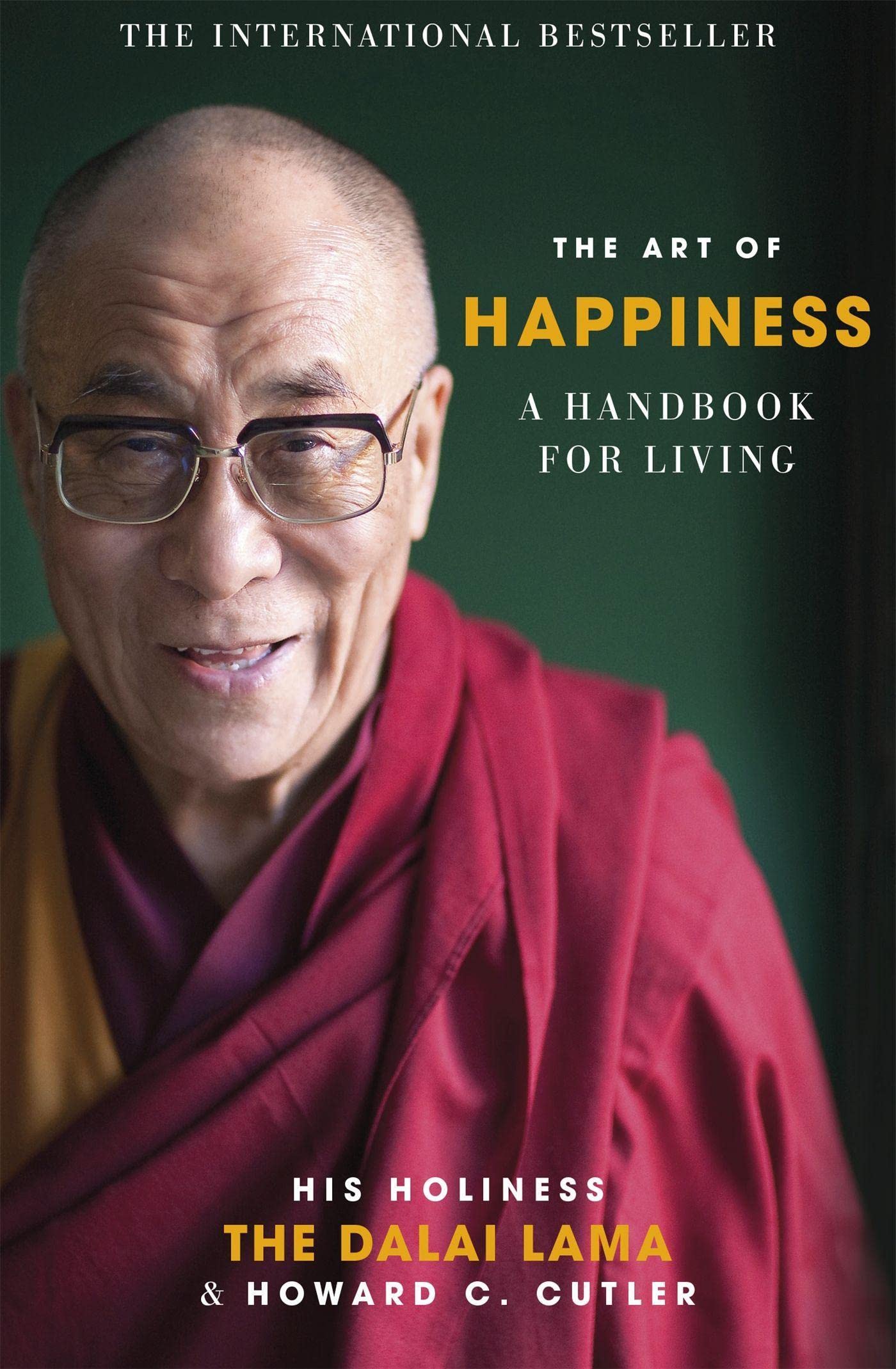
Hodder & Stoughton The Art of Happiness: A Handbook for Living by The Dalai Lama & Howard C. Cutler - Paperback Self-Help Classic on Buddhism & WellbeingA handbook for living, 'The Art of Happiness' pairs the spiritual insight of the Dalai Lama with the clinical expertise of Dr Howard C. Cutler. This practical guide explores how lasting contentment can be cultivated in everyday life, blending Tibetan Buddhist philosophy with Western psychology. The book is based on conversations between the Dalai Lama and Dr Cutler, recorded over several years, and offers a unique perspective on anxiety, loneliness, anger, loss, and the pursuit of wealth. Written with warmth, humour, and practicality, this influential work remains a valuable resource for those seeking calm and inner peace.9,99 £*Shipping: 2,99 £Secure redirect to the provider
-
Days of Wonder Ticket to Ride: Northern Lights - Event Tickets - Northern Lights EditionBuild your rail empire across the Nordic countries in Ticket to Ride: Northern Lights, a strategic board game set among the region's ports, forests, mountains, and fjords. Claim railway routes, connect cities, and plan your network carefully as you compete to complete destination tickets and build the most impressive transportation empire. The Nordic landscape introduces routes across distinctive northern settings, including ferry connections and journeys through the countryside. Each decision matters: taking a route may help complete your plans, but can also give other players the opportunity to expand their own networks. Suitable for family and friends' game sessions, this game requires planning ahead and watching your opponents' routes to claim the connections you need before they disappear.37,97 £*Shipping: 3,95 £Secure redirect to the provider
-
Fireshine Games Core Keeper for Nintendo Switch - Game Cartridge - Explore Underground AdventureA colourful sandbox adventure where you explore procedurally generated caverns, gather resources, craft tools, build bases, plant crops, catch fish, and battle Titans. Play solo or online with up to three explorers.33,47 £*Shipping: 3,95 £Secure redirect to the provider
-
What is the understanding of nature in Zen Buddhism?
In Zen Buddhism, nature is seen as a reflection of the interconnectedness and impermanence of all things. Nature is considered a source of wisdom and inspiration, with its ever-changing and cyclical patterns mirroring the teachings of impermanence and the importance of living in the present moment. Practitioners of Zen often seek to connect with nature through practices such as meditation in natural settings, to deepen their understanding of themselves and the world around them. Ultimately, nature is viewed as a teacher and a reminder of the inherent interconnectedness of all beings. **
-
What are the differences between Buddhism and Tibetan Buddhism?
Buddhism is a broader religion that encompasses various traditions and schools, while Tibetan Buddhism is a specific branch of Buddhism that developed in Tibet. Tibetan Buddhism incorporates elements of Tibetan culture, such as rituals, deities, and practices like chanting and visualization. It also places a strong emphasis on the teachings of Tibetan Buddhist masters and the importance of the Dalai Lama. Additionally, Tibetan Buddhism includes unique practices such as the use of prayer flags, prayer wheels, and mandalas. **
-
What is the difference between Buddhism and Zen Buddhism?
Buddhism is a broader religion and philosophy that encompasses a variety of traditions and practices, while Zen Buddhism is a specific school or branch of Mahayana Buddhism that emphasizes meditation and direct experience of enlightenment. Zen Buddhism places a strong emphasis on the practice of meditation (zazen) as a means to achieve enlightenment, while traditional Buddhism incorporates a wider range of practices such as chanting, rituals, and study of Buddhist scriptures. Additionally, Zen Buddhism often focuses on the teachings of specific Zen masters and the importance of the teacher-student relationship in transmitting wisdom and insight. **
-
Is Buddhism illogical?
Buddhism is not inherently illogical. It is a complex and diverse belief system that encompasses a wide range of philosophical and ethical teachings. While some aspects of Buddhist doctrine may seem counterintuitive or difficult to understand from a Western perspective, they are based on a different cultural and philosophical framework. Many Buddhist teachings emphasize the importance of critical thinking and personal experience, and encourage followers to question and explore their beliefs. Ultimately, whether Buddhism is considered logical or not may depend on one's own perspective and understanding of its teachings. **
Similar search terms for Buddhism
-
What is the difference between Zen Buddhism and regular Buddhism?
The main difference between Zen Buddhism and regular Buddhism lies in their approach to meditation and enlightenment. Zen Buddhism, which originated in China and later developed in Japan, emphasizes the practice of meditation (zazen) as the primary means to attain enlightenment. It focuses on direct experience and intuitive understanding, often through the guidance of a teacher. Regular Buddhism, on the other hand, encompasses a variety of traditions and practices, with meditation being just one of them. It places more emphasis on the study of scriptures, ethical conduct, and the development of wisdom and compassion. While both Zen Buddhism and regular Buddhism share the same core teachings of the Four Noble Truths and the Eightfold Path, their methods and emphasis on practice differ. **
-
What is Zen Buddhism?
Zen Buddhism is a school of Mahayana Buddhism that originated in China during the Tang dynasty and later spread to Japan. It emphasizes the practice of meditation (zazen) and the direct experience of enlightenment, or awakening. Zen teachings often focus on the concept of emptiness, impermanence, and the importance of living in the present moment. It is known for its minimalist approach, simplicity, and the use of paradoxical statements (koans) to provoke insight and break through conceptual thinking. **
-
What does Buddhism teach?
Buddhism teaches the Four Noble Truths, which are the truths of suffering, the cause of suffering, the end of suffering, and the path to the end of suffering. It also emphasizes the importance of mindfulness, compassion, and non-attachment. Buddhism teaches that all beings are interconnected and that the ultimate goal is to achieve enlightenment and liberation from the cycle of birth and death (samsara). **
-
What speaks against Buddhism?
Some criticisms of Buddhism include its focus on individual enlightenment, which some argue can lead to detachment from societal issues and responsibilities. Additionally, the concept of karma and rebirth can be seen as fatalistic or lacking in empirical evidence. Some critics also point out that certain Buddhist teachings may perpetuate gender inequality or social hierarchies. Overall, the main criticisms of Buddhism often revolve around its philosophical concepts, practical applications, and societal implications. **
* All prices are inclusive of VAT and, if applicable, plus shipping costs. The offer information is based on the details provided by the respective shop and is updated through automated processes. Real-time updates do not occur, so deviations can occur in individual cases. ** Note: Parts of this content were created by AI.