Buy nordlichter.eu ?
We are moving the project
nordlichter.eu .
Are you interested in purchasing the domain
nordlichter.eu ?
domain@kv-gmbh.de · 0541-91531010
Buy nordlichter.eu ?
Are wages liabilities?
Yes, wages are considered liabilities for a company because they represent an obligation to pay employees for their work. From an accounting perspective, wages are typically recorded as a liability on the company's balance sheet until they are paid to the employees. This reflects the company's obligation to fulfill its financial commitments to its employees. Therefore, wages are classified as a liability until they are settled. **
What are liabilities and receivables?
Liabilities are obligations or debts that a company owes to external parties, such as loans, accounts payable, or accrued expenses. They represent the company's financial responsibilities that must be settled in the future. Receivables, on the other hand, are amounts owed to a company by its customers or other parties for goods or services provided. They represent the company's right to receive payment and are considered assets on the company's balance sheet. Both liabilities and receivables are important components of a company's financial position and are crucial for assessing its overall financial health. **

Similar search terms for Liabilities
Top-Angebote
Products related to Liabilities:
-
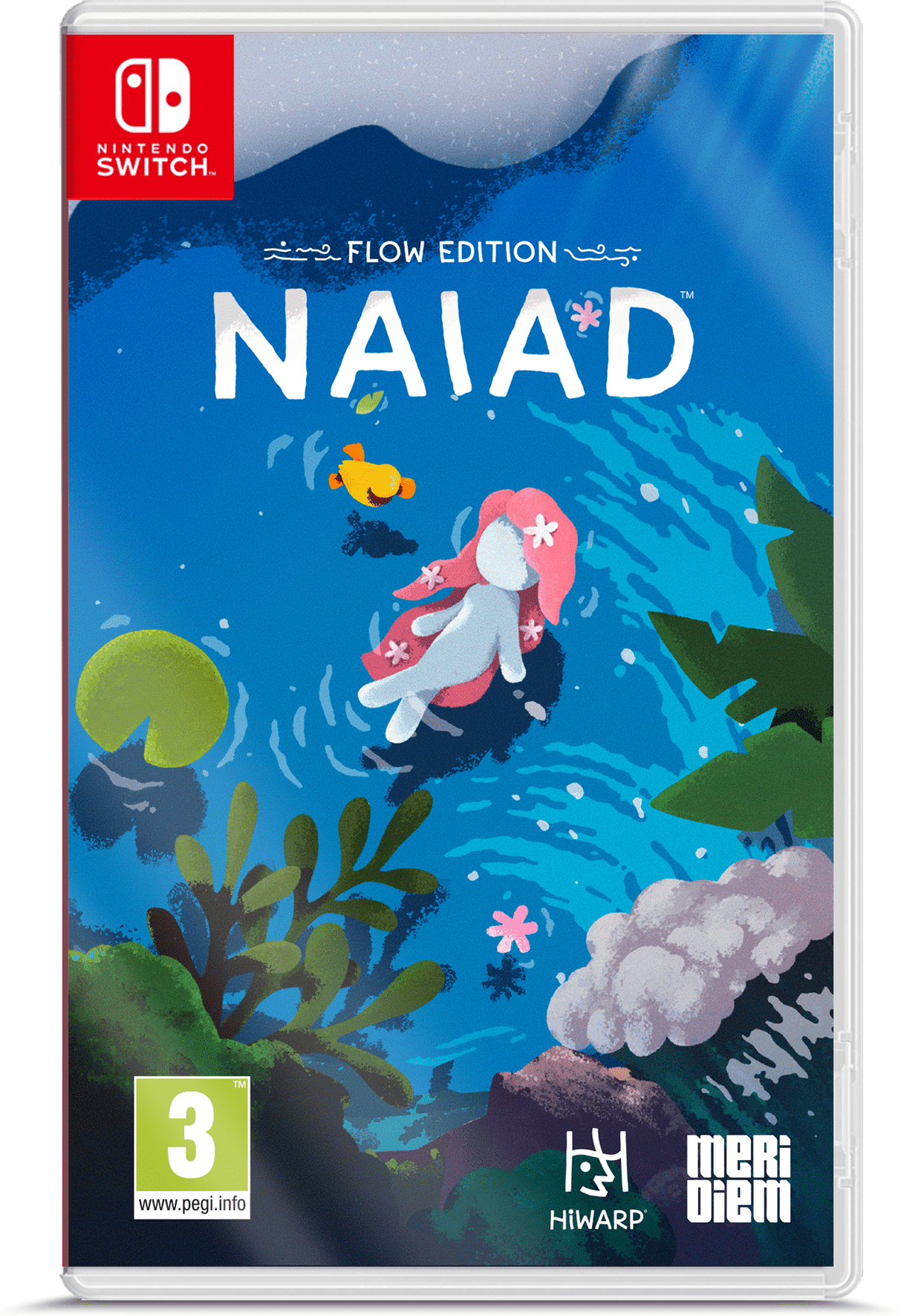
Naiad Flow Edition for Nintendo Switch - Explore a Gentle River Adventure Ages 7+ by Meridiem GamesDiscover a gentle exploration adventure where you guide a character through a mysterious river, traveling from quiet springs and leafy forests to caves, lakes, and the open sea. Move through 16 episodes at your own pace, learning different ways to swim, dive, dash, and leap. Along the journey, you can meet creatures such as butterflies, rabbits, turtles, snakes, and crocodiles, help animals overcome obstacles, and uncover small secrets hidden throughout the landscape. The game features a peaceful atmosphere, expressive artwork, and atmospheric music. Includes a reversible cover, an art book, and downloadable content. Physical release for Nintendo Switch on game cartridge.30,79 £*Shipping: 3,95 £Secure redirect to the provider
-
Deva Nature wall light, textile, wood TK Lighting, dimmable, Light wood, Living / Dining Room, Wood, Scandinavian, Wall LightThe Deva Nature wall lamp exudes natural cosiness, as it skilfully combines materials such as wood and cotton. The cylindrical textile shade creates a homely lighting atmosphere.59,90 £*Shipping: 4,99 £Secure redirect to the provider
-
Wine.com """Explore Sonoma""""""This highly rated Sonoma set showcases the region’s diversity and depth. Featuring expressive Pinot Noir, opulent Chardonnay, and a balanced Red blend. It’s a curated journey through Sonoma’s most celebrated terroirs. Schug Sonoma Coast Pinot Noir..."99,99 $*Shipping: 0,00 $Secure redirect to the provider



-
How are the assets and liabilities evaluated?
Assets and liabilities are evaluated based on their current market value or book value. For assets, this means determining their fair market value, which is the price that they could be sold for in the current market. Liabilities are evaluated based on their current outstanding balance or the amount that is owed. This evaluation helps to determine the financial health and position of a company, as well as its ability to meet its financial obligations. **
-
What are transitory assets and/or liabilities?
Transitory assets and/or liabilities are items on a company's balance sheet that are expected to be settled or used up within a relatively short period of time, typically within one year. These items are considered to be temporary in nature and are not expected to have a long-term impact on the company's financial position. Examples of transitory assets include cash, accounts receivable, and inventory, while examples of transitory liabilities include accounts payable and short-term debt. It is important for investors and analysts to understand the nature of these transitory items when evaluating a company's financial health and performance. **
-
Why is equity on the liabilities side?
Equity is placed on the liabilities side of the balance sheet because it represents the claims of the company's owners or shareholders on the company's assets. It is considered a liability because the company has an obligation to its owners to repay their investment in the business. However, unlike other liabilities, equity does not have a fixed repayment schedule and is considered a residual claim, meaning it is only paid out after all other liabilities have been settled. Therefore, equity is categorized as a liability on the balance sheet to accurately reflect the financial obligations of the company. **
-
What is a statement of assets and liabilities?
A statement of assets and liabilities is a financial document that provides a snapshot of an individual's or organization's financial position at a specific point in time. It lists all the assets, such as cash, investments, property, and equipment, as well as all the liabilities, such as loans, mortgages, and other debts. The statement helps to assess the overall financial health and solvency of the entity by comparing the total assets to the total liabilities. It is an essential tool for financial planning, decision-making, and assessing the ability to meet financial obligations. **


How can liabilities be settled in other ways?
Liabilities can be settled in other ways through various means such as debt restructuring, where the terms of the debt are renegotiated to make it more manageable for the debtor. Another way is through debt-for-equity swaps, where the creditor agrees to convert the debt into an ownership stake in the debtor's company. Additionally, liabilities can be settled through the sale of assets, where the debtor sells off assets to generate cash to pay off the liabilities. Finally, some liabilities can be settled through the issuance of new debt to replace the existing liabilities, known as refinancing. **
What is the difference between receivables and liabilities?
Receivables are amounts owed to a company by its customers or other parties for goods or services provided, while liabilities are obligations or debts that a company owes to its creditors or other parties. In other words, receivables represent money that is owed to the company, while liabilities represent money that the company owes to others. Receivables are considered assets on the company's balance sheet, while liabilities are recorded as obligations or debts. **
Top-Angebote
Products related to Liabilities:
-
Days of Wonder Ticket to Ride: Northern Lights - Event Tickets - Northern Lights EditionBuild your rail empire across the Nordic countries in Ticket to Ride: Northern Lights, a strategic board game set among the region's ports, forests, mountains, and fjords. Claim railway routes, connect cities, and plan your network carefully as you compete to complete destination tickets and build the most impressive transportation empire. The Nordic landscape introduces routes across distinctive northern settings, including ferry connections and journeys through the countryside. Each decision matters: taking a route may help complete your plans, but can also give other players the opportunity to expand their own networks. Suitable for family and friends' game sessions, this game requires planning ahead and watching your opponents' routes to claim the connections you need before they disappear.37,97 £*Shipping: 3,95 £Secure redirect to the provider
-
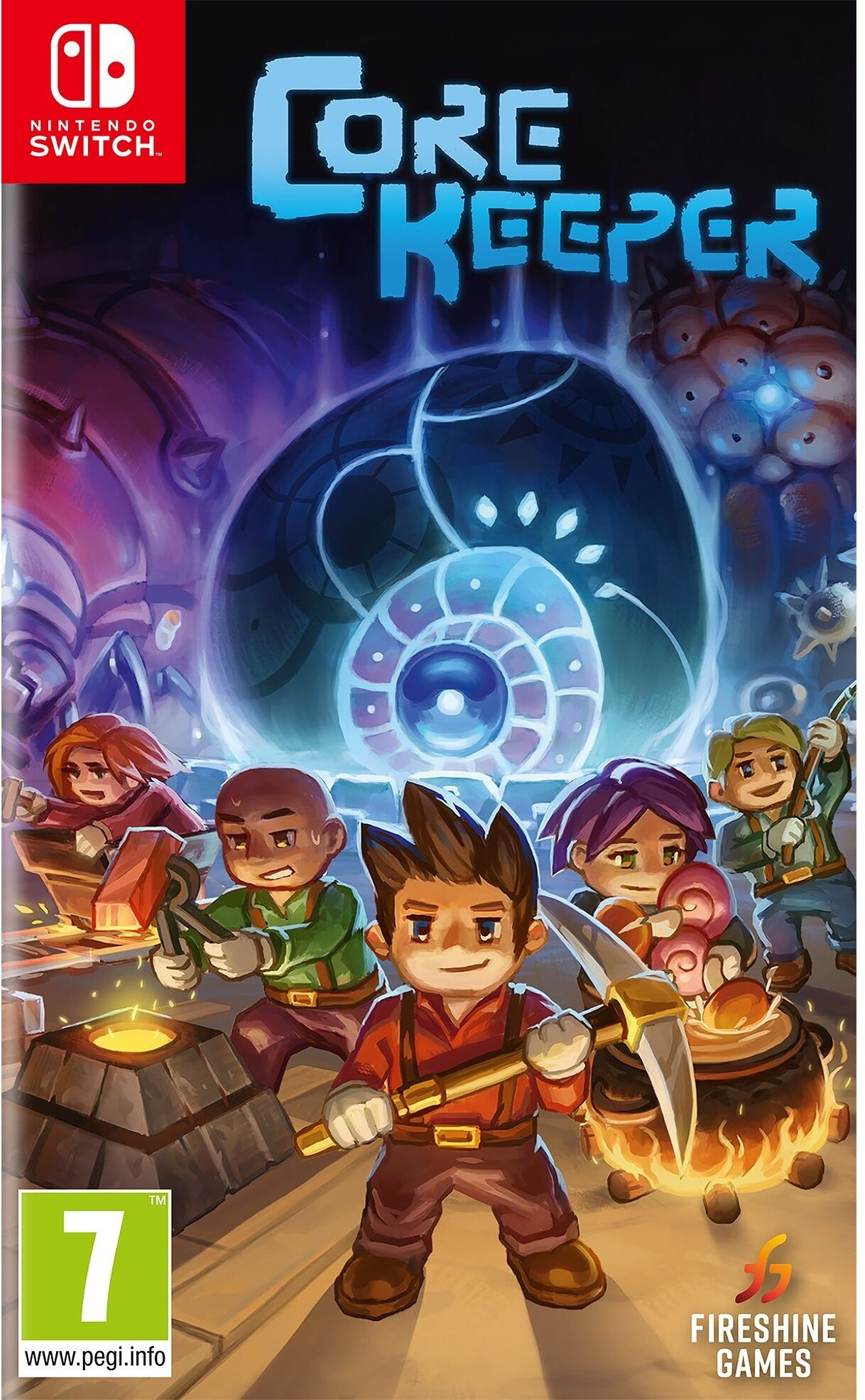
Fireshine Games Core Keeper for Nintendo Switch - Game Cartridge - Explore Underground AdventureA colourful sandbox adventure where you explore procedurally generated caverns, gather resources, craft tools, build bases, plant crops, catch fish, and battle Titans. Play solo or online with up to three explorers.33,47 £*Shipping: 3,95 £Secure redirect to the provider
-
Naiad Flow Edition for Nintendo Switch - Explore a Gentle River Adventure Ages 7+ by Meridiem GamesDiscover a gentle exploration adventure where you guide a character through a mysterious river, traveling from quiet springs and leafy forests to caves, lakes, and the open sea. Move through 16 episodes at your own pace, learning different ways to swim, dive, dash, and leap. Along the journey, you can meet creatures such as butterflies, rabbits, turtles, snakes, and crocodiles, help animals overcome obstacles, and uncover small secrets hidden throughout the landscape. The game features a peaceful atmosphere, expressive artwork, and atmospheric music. Includes a reversible cover, an art book, and downloadable content. Physical release for Nintendo Switch on game cartridge.30,79 £*Shipping: 3,95 £Secure redirect to the provider
-
Are wages liabilities?
Yes, wages are considered liabilities for a company because they represent an obligation to pay employees for their work. From an accounting perspective, wages are typically recorded as a liability on the company's balance sheet until they are paid to the employees. This reflects the company's obligation to fulfill its financial commitments to its employees. Therefore, wages are classified as a liability until they are settled. **
-
What are liabilities and receivables?
Liabilities are obligations or debts that a company owes to external parties, such as loans, accounts payable, or accrued expenses. They represent the company's financial responsibilities that must be settled in the future. Receivables, on the other hand, are amounts owed to a company by its customers or other parties for goods or services provided. They represent the company's right to receive payment and are considered assets on the company's balance sheet. Both liabilities and receivables are important components of a company's financial position and are crucial for assessing its overall financial health. **
-
How are the assets and liabilities evaluated?
Assets and liabilities are evaluated based on their current market value or book value. For assets, this means determining their fair market value, which is the price that they could be sold for in the current market. Liabilities are evaluated based on their current outstanding balance or the amount that is owed. This evaluation helps to determine the financial health and position of a company, as well as its ability to meet its financial obligations. **
-
What are transitory assets and/or liabilities?
Transitory assets and/or liabilities are items on a company's balance sheet that are expected to be settled or used up within a relatively short period of time, typically within one year. These items are considered to be temporary in nature and are not expected to have a long-term impact on the company's financial position. Examples of transitory assets include cash, accounts receivable, and inventory, while examples of transitory liabilities include accounts payable and short-term debt. It is important for investors and analysts to understand the nature of these transitory items when evaluating a company's financial health and performance. **
Similar search terms for Liabilities
-
Deva Nature wall light, textile, wood TK Lighting, dimmable, Light wood, Living / Dining Room, Wood, Scandinavian, Wall LightThe Deva Nature wall lamp exudes natural cosiness, as it skilfully combines materials such as wood and cotton. The cylindrical textile shade creates a homely lighting atmosphere.59,90 £*Shipping: 4,99 £Secure redirect to the provider
-
Wine.com """Explore Sonoma""""""This highly rated Sonoma set showcases the region’s diversity and depth. Featuring expressive Pinot Noir, opulent Chardonnay, and a balanced Red blend. It’s a curated journey through Sonoma’s most celebrated terroirs. Schug Sonoma Coast Pinot Noir..."99,99 $*Shipping: 0,00 $Secure redirect to the provider
-
Scholastic Philip Pullman His Dark Materials Trilogy 3 Books Box Set Pack-northern Lights The Subtle Knife The Am..1. The Subtle Knife There are worlds beyond our own - the Compass will show the way... The second novel in Philip Pullman's epic HIS DARK MATERIALS trilogy. The first; NORTHERN LIGHTS; is now the stunning motion picture THE GOLDEN COMPASS; made by New Line Cinema and Scholastic Media. THE SUBTLE KNIFE brings Lyra to an eerie city where she meets a mysterious boy - a murderer. Will's fate is strangely linked with hers; and together they must find a powerful and secret object which people from many worlds would kill to possess. 'A work of genius' TIME OUT 2. Northern Lights 'Without this child; we shall all die.' Lyra Belacqua and her animal daemon live half-wild and carefree among scholars of Jordan College; Oxford. The destiny that awaits her will take her to the frozen lands of the Arctic; where witch-clans reign and ice- bearsfight. Her extraordinary journey will have immeasurable consequences far beyond her own world... 3. The Amber Spyglass There are worlds beyond our own - the Compass will show the way... The third novel in Philip Pullman's epic HIS DARK MATERIALS trilogy. The first; NORTHERN LIGHTS; is now the stunning motion picture THE GOLDEN COMPASS; made by New Line Cinema and Scholastic Media. The terrible war foretold by the witches is coming. Will is the bearer of the subtle knife; the most powerful weapon in all the worlds; and must deliver it to Lord Asriel. But he faces his dangerous journey alone; for Lyra has disappeared... 'An extraordinary masterpiece' DAILY MAIL tags;philip pullman12,95 £*Shipping: 2,99 £Secure redirect to the provider
-
Deva Nature pendant light, 1-bulb, textile shade TK Lighting, dimmable, Living / Dining Room, Textile / fabric / silk, Scandinavian, Ceiling LightThe Deva Nature pendant lamp exudes natural cosiness, as it skilfully combines materials such as wood and cotton. The cylindrical textile shade creates a homely lighting atmosphere.109,90 £*Shipping: 4,99 £Secure redirect to the provider
-
Why is equity on the liabilities side?
Equity is placed on the liabilities side of the balance sheet because it represents the claims of the company's owners or shareholders on the company's assets. It is considered a liability because the company has an obligation to its owners to repay their investment in the business. However, unlike other liabilities, equity does not have a fixed repayment schedule and is considered a residual claim, meaning it is only paid out after all other liabilities have been settled. Therefore, equity is categorized as a liability on the balance sheet to accurately reflect the financial obligations of the company. **
-
What is a statement of assets and liabilities?
A statement of assets and liabilities is a financial document that provides a snapshot of an individual's or organization's financial position at a specific point in time. It lists all the assets, such as cash, investments, property, and equipment, as well as all the liabilities, such as loans, mortgages, and other debts. The statement helps to assess the overall financial health and solvency of the entity by comparing the total assets to the total liabilities. It is an essential tool for financial planning, decision-making, and assessing the ability to meet financial obligations. **
-
How can liabilities be settled in other ways?
Liabilities can be settled in other ways through various means such as debt restructuring, where the terms of the debt are renegotiated to make it more manageable for the debtor. Another way is through debt-for-equity swaps, where the creditor agrees to convert the debt into an ownership stake in the debtor's company. Additionally, liabilities can be settled through the sale of assets, where the debtor sells off assets to generate cash to pay off the liabilities. Finally, some liabilities can be settled through the issuance of new debt to replace the existing liabilities, known as refinancing. **
-
What is the difference between receivables and liabilities?
Receivables are amounts owed to a company by its customers or other parties for goods or services provided, while liabilities are obligations or debts that a company owes to its creditors or other parties. In other words, receivables represent money that is owed to the company, while liabilities represent money that the company owes to others. Receivables are considered assets on the company's balance sheet, while liabilities are recorded as obligations or debts. **
* All prices are inclusive of VAT and, if applicable, plus shipping costs. The offer information is based on the details provided by the respective shop and is updated through automated processes. Real-time updates do not occur, so deviations can occur in individual cases. ** Note: Parts of this content were created by AI.