Buy nordlichter.eu ?
We are moving the project
nordlichter.eu .
Are you interested in purchasing the domain
nordlichter.eu ?
domain@kv-gmbh.de · 0541-91531010
Buy nordlichter.eu ?
Are photons electrons?
No, photons are not electrons. Photons are elementary particles that make up light and electromagnetic radiation, while electrons are negatively charged subatomic particles that are part of atoms. Photons have no mass and travel at the speed of light, while electrons have mass and are bound to the nucleus of an atom. **
What happens to photons?
Photons are elementary particles that make up light. They do not have mass and travel at the speed of light. When photons interact with matter, they can be absorbed, reflected, or transmitted. Absorption of photons can result in the excitation of electrons, leading to various physical and chemical processes. **
Similar search terms for Photons
Top-Angebote
Products related to Photons:
-
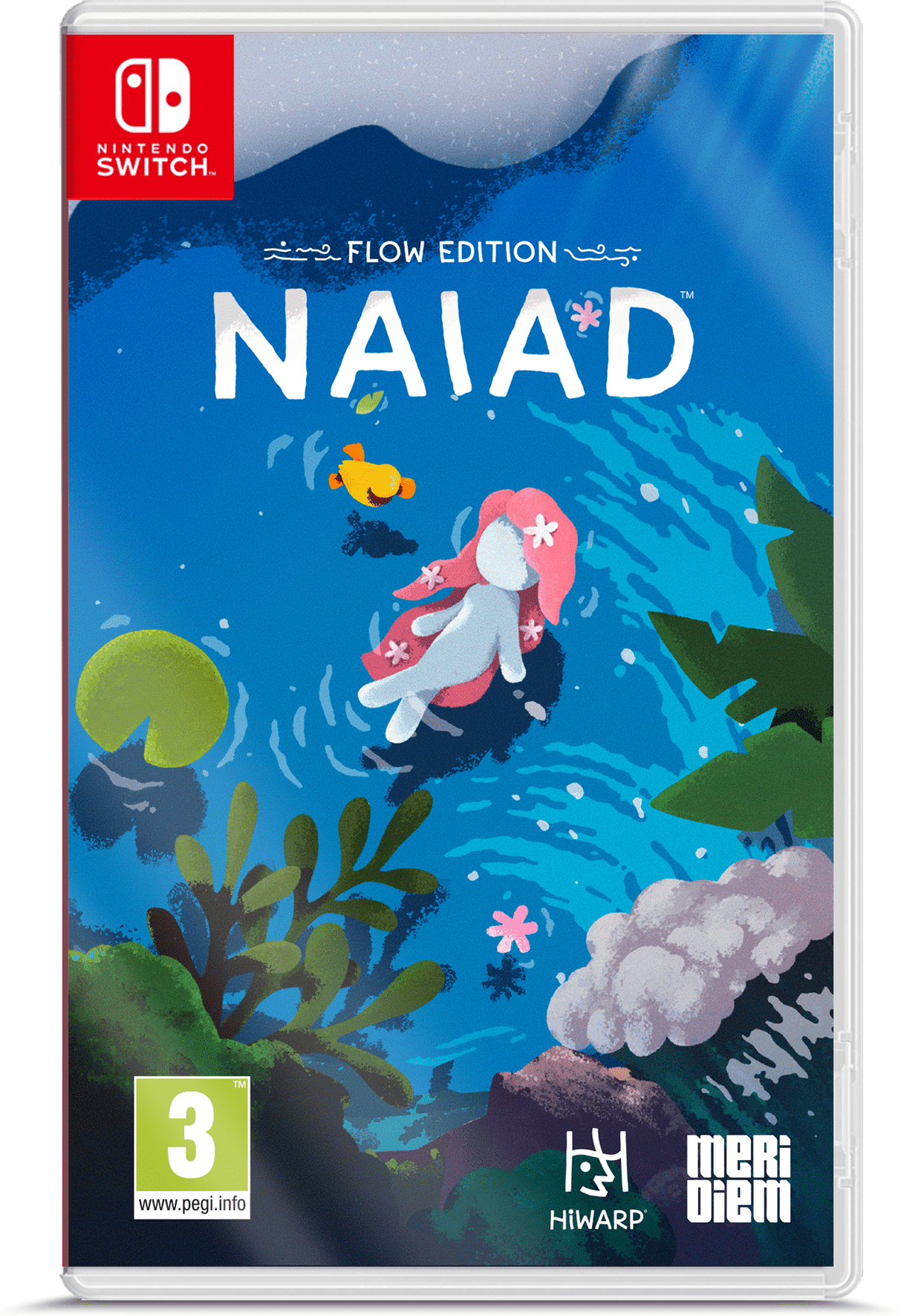
Naiad Flow Edition for Nintendo Switch - Explore a Gentle River Adventure Ages 7+ by Meridiem GamesDiscover a gentle exploration adventure where you guide a character through a mysterious river, traveling from quiet springs and leafy forests to caves, lakes, and the open sea. Move through 16 episodes at your own pace, learning different ways to swim, dive, dash, and leap. Along the journey, you can meet creatures such as butterflies, rabbits, turtles, snakes, and crocodiles, help animals overcome obstacles, and uncover small secrets hidden throughout the landscape. The game features a peaceful atmosphere, expressive artwork, and atmospheric music. Includes a reversible cover, an art book, and downloadable content. Physical release for Nintendo Switch on game cartridge.30,79 £*Shipping: 3,95 £Secure redirect to the provider
-
Deva Nature wall light, textile, wood TK Lighting, dimmable, Light wood, Living / Dining Room, Wood, Scandinavian, Wall LightThe Deva Nature wall lamp exudes natural cosiness, as it skilfully combines materials such as wood and cotton. The cylindrical textile shade creates a homely lighting atmosphere.59,90 £*Shipping: 4,99 £Secure redirect to the provider
-
Wine.com """Explore Sonoma""""""This highly rated Sonoma set showcases the region’s diversity and depth. Featuring expressive Pinot Noir, opulent Chardonnay, and a balanced Red blend. It’s a curated journey through Sonoma’s most celebrated terroirs. Schug Sonoma Coast Pinot Noir..."99,99 $*Shipping: 0,00 $Secure redirect to the provider



-
How are photons created?
Photons are created through a process called electromagnetic radiation. This occurs when an atom absorbs energy, causing its electrons to move to a higher energy level. When the electrons return to their original energy level, they release the absorbed energy in the form of photons. This process can happen in various ways, such as through thermal radiation, chemical reactions, or nuclear reactions. **
-
How can one convert the energy of different photons into monochromatic photons?
One way to convert the energy of different photons into monochromatic photons is through a process called frequency doubling or second harmonic generation. This involves passing the photons through a nonlinear crystal, which causes the photons to combine and create new photons with double the frequency and half the wavelength of the original photons. This results in monochromatic photons with a single, specific wavelength. Another method is through the use of filters or monochromators, which can selectively filter out photons of specific wavelengths, allowing only monochromatic photons to pass through. **
-
How far do photons travel?
Photons, as particles of light, travel at the speed of light in a vacuum, which is approximately 299,792 kilometers per second. This means that photons can travel vast distances in a very short amount of time. However, their travel distance can be affected by factors such as absorption, reflection, and scattering, which can cause them to be absorbed or redirected before reaching their destination. **
-
What distinguishes photons and protons?
Photons are elementary particles that carry electromagnetic radiation, such as light, while protons are subatomic particles found in the nucleus of an atom. Photons have no mass and travel at the speed of light, while protons have mass and are composed of quarks. Additionally, photons do not have an electric charge, while protons have a positive electric charge. **


Why can photons penetrate matter?
Photons can penetrate matter because they do not have an electric charge and are not affected by electromagnetic forces within the material. Additionally, photons do not have mass, allowing them to travel at the speed of light and pass through matter without being absorbed or deflected. This property of photons enables them to interact with atoms and molecules in the material, leading to phenomena such as absorption, reflection, and transmission. **
How can photons have mass?
Photons are massless particles according to the Standard Model of particle physics. They travel at the speed of light and have zero rest mass. However, in certain theoretical models beyond the Standard Model, such as some versions of string theory, it is possible for photons to acquire a small amount of mass through interactions with other particles or fields. This mass is typically very small and has not been experimentally observed. **
Top-Angebote
Products related to Photons:
-
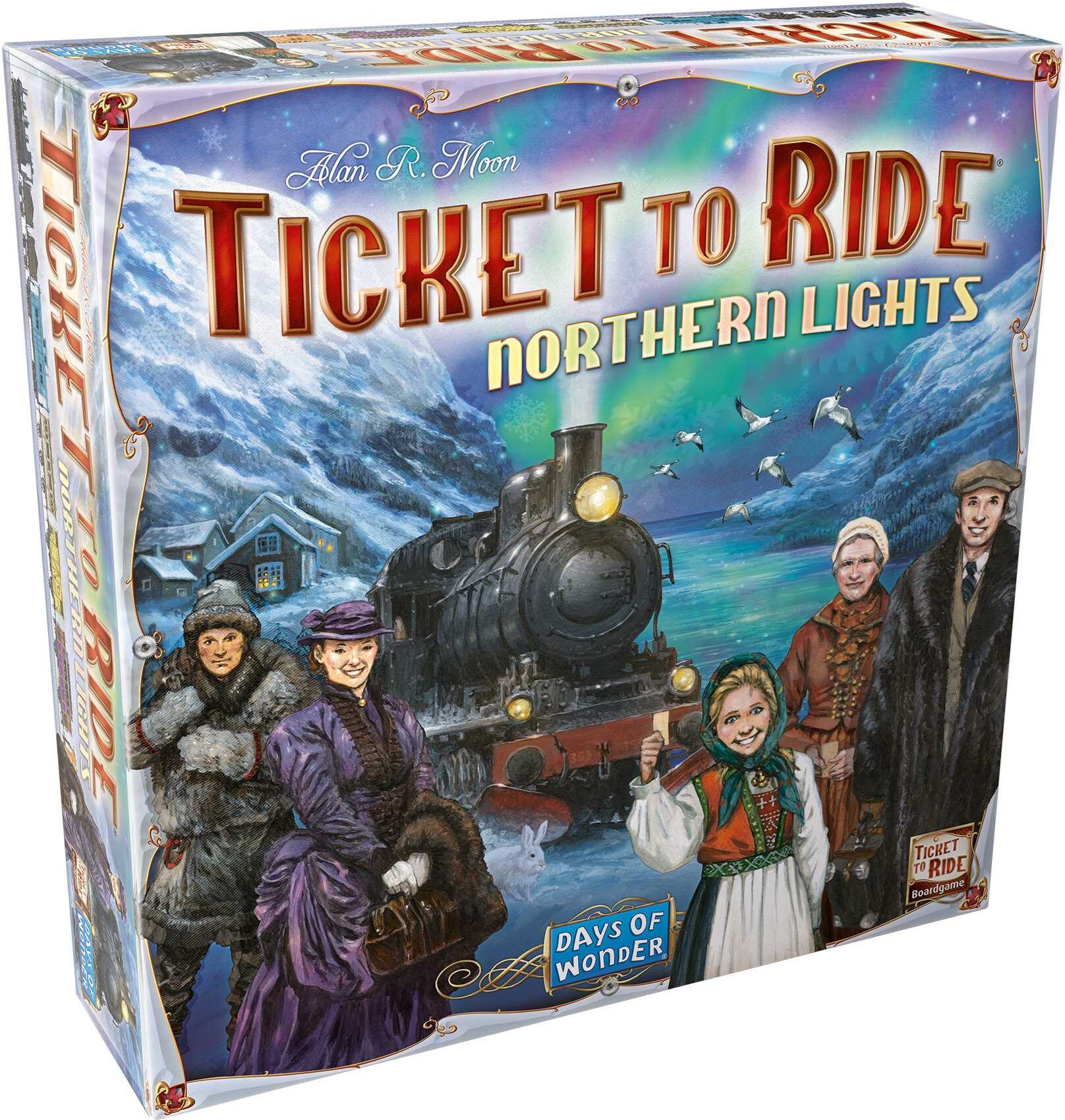
Days of Wonder Ticket to Ride: Northern Lights - Event Tickets - Northern Lights EditionBuild your rail empire across the Nordic countries in Ticket to Ride: Northern Lights, a strategic board game set among the region's ports, forests, mountains, and fjords. Claim railway routes, connect cities, and plan your network carefully as you compete to complete destination tickets and build the most impressive transportation empire. The Nordic landscape introduces routes across distinctive northern settings, including ferry connections and journeys through the countryside. Each decision matters: taking a route may help complete your plans, but can also give other players the opportunity to expand their own networks. Suitable for family and friends' game sessions, this game requires planning ahead and watching your opponents' routes to claim the connections you need before they disappear.37,97 £*Shipping: 3,95 £Secure redirect to the provider
-
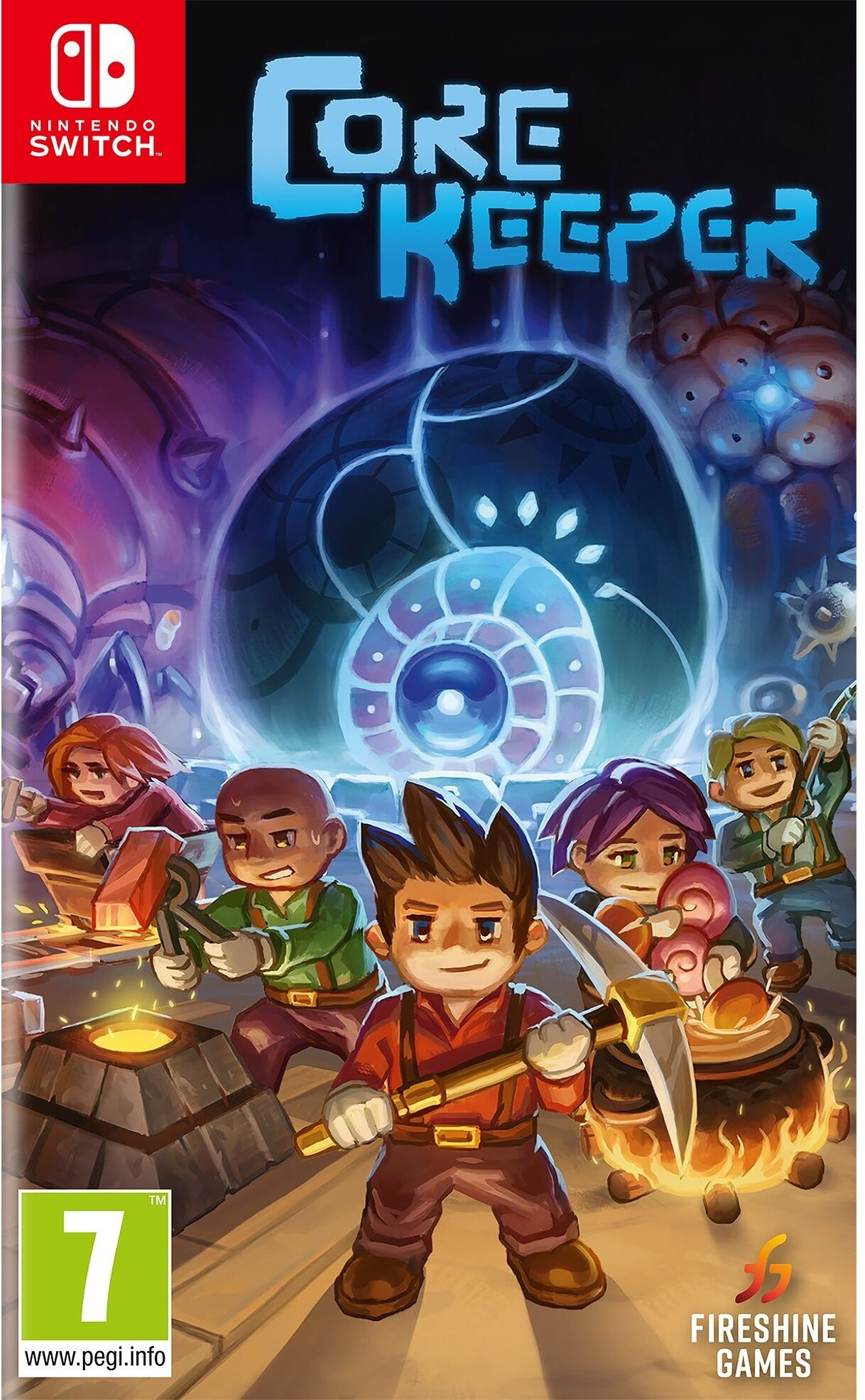
Fireshine Games Core Keeper for Nintendo Switch - Game Cartridge - Explore Underground AdventureA colourful sandbox adventure where you explore procedurally generated caverns, gather resources, craft tools, build bases, plant crops, catch fish, and battle Titans. Play solo or online with up to three explorers.33,47 £*Shipping: 3,95 £Secure redirect to the provider
-
Naiad Flow Edition for Nintendo Switch - Explore a Gentle River Adventure Ages 7+ by Meridiem GamesDiscover a gentle exploration adventure where you guide a character through a mysterious river, traveling from quiet springs and leafy forests to caves, lakes, and the open sea. Move through 16 episodes at your own pace, learning different ways to swim, dive, dash, and leap. Along the journey, you can meet creatures such as butterflies, rabbits, turtles, snakes, and crocodiles, help animals overcome obstacles, and uncover small secrets hidden throughout the landscape. The game features a peaceful atmosphere, expressive artwork, and atmospheric music. Includes a reversible cover, an art book, and downloadable content. Physical release for Nintendo Switch on game cartridge.30,79 £*Shipping: 3,95 £Secure redirect to the provider
-
Are photons electrons?
No, photons are not electrons. Photons are elementary particles that make up light and electromagnetic radiation, while electrons are negatively charged subatomic particles that are part of atoms. Photons have no mass and travel at the speed of light, while electrons have mass and are bound to the nucleus of an atom. **
-
What happens to photons?
Photons are elementary particles that make up light. They do not have mass and travel at the speed of light. When photons interact with matter, they can be absorbed, reflected, or transmitted. Absorption of photons can result in the excitation of electrons, leading to various physical and chemical processes. **
-
How are photons created?
Photons are created through a process called electromagnetic radiation. This occurs when an atom absorbs energy, causing its electrons to move to a higher energy level. When the electrons return to their original energy level, they release the absorbed energy in the form of photons. This process can happen in various ways, such as through thermal radiation, chemical reactions, or nuclear reactions. **
-
How can one convert the energy of different photons into monochromatic photons?
One way to convert the energy of different photons into monochromatic photons is through a process called frequency doubling or second harmonic generation. This involves passing the photons through a nonlinear crystal, which causes the photons to combine and create new photons with double the frequency and half the wavelength of the original photons. This results in monochromatic photons with a single, specific wavelength. Another method is through the use of filters or monochromators, which can selectively filter out photons of specific wavelengths, allowing only monochromatic photons to pass through. **
Similar search terms for Photons
-
Deva Nature wall light, textile, wood TK Lighting, dimmable, Light wood, Living / Dining Room, Wood, Scandinavian, Wall LightThe Deva Nature wall lamp exudes natural cosiness, as it skilfully combines materials such as wood and cotton. The cylindrical textile shade creates a homely lighting atmosphere.59,90 £*Shipping: 4,99 £Secure redirect to the provider
-
Wine.com """Explore Sonoma""""""This highly rated Sonoma set showcases the region’s diversity and depth. Featuring expressive Pinot Noir, opulent Chardonnay, and a balanced Red blend. It’s a curated journey through Sonoma’s most celebrated terroirs. Schug Sonoma Coast Pinot Noir..."99,99 $*Shipping: 0,00 $Secure redirect to the provider
-
Scholastic Philip Pullman His Dark Materials Trilogy 3 Books Box Set Pack-northern Lights The Subtle Knife The Am..1. The Subtle Knife There are worlds beyond our own - the Compass will show the way... The second novel in Philip Pullman's epic HIS DARK MATERIALS trilogy. The first; NORTHERN LIGHTS; is now the stunning motion picture THE GOLDEN COMPASS; made by New Line Cinema and Scholastic Media. THE SUBTLE KNIFE brings Lyra to an eerie city where she meets a mysterious boy - a murderer. Will's fate is strangely linked with hers; and together they must find a powerful and secret object which people from many worlds would kill to possess. 'A work of genius' TIME OUT 2. Northern Lights 'Without this child; we shall all die.' Lyra Belacqua and her animal daemon live half-wild and carefree among scholars of Jordan College; Oxford. The destiny that awaits her will take her to the frozen lands of the Arctic; where witch-clans reign and ice- bearsfight. Her extraordinary journey will have immeasurable consequences far beyond her own world... 3. The Amber Spyglass There are worlds beyond our own - the Compass will show the way... The third novel in Philip Pullman's epic HIS DARK MATERIALS trilogy. The first; NORTHERN LIGHTS; is now the stunning motion picture THE GOLDEN COMPASS; made by New Line Cinema and Scholastic Media. The terrible war foretold by the witches is coming. Will is the bearer of the subtle knife; the most powerful weapon in all the worlds; and must deliver it to Lord Asriel. But he faces his dangerous journey alone; for Lyra has disappeared... 'An extraordinary masterpiece' DAILY MAIL tags;philip pullman12,95 £*Shipping: 2,99 £Secure redirect to the provider
-
Deva Nature pendant light, 1-bulb, textile shade TK Lighting, dimmable, Living / Dining Room, Textile / fabric / silk, Scandinavian, Ceiling LightThe Deva Nature pendant lamp exudes natural cosiness, as it skilfully combines materials such as wood and cotton. The cylindrical textile shade creates a homely lighting atmosphere.109,90 £*Shipping: 4,99 £Secure redirect to the provider
-
How far do photons travel?
Photons, as particles of light, travel at the speed of light in a vacuum, which is approximately 299,792 kilometers per second. This means that photons can travel vast distances in a very short amount of time. However, their travel distance can be affected by factors such as absorption, reflection, and scattering, which can cause them to be absorbed or redirected before reaching their destination. **
-
What distinguishes photons and protons?
Photons are elementary particles that carry electromagnetic radiation, such as light, while protons are subatomic particles found in the nucleus of an atom. Photons have no mass and travel at the speed of light, while protons have mass and are composed of quarks. Additionally, photons do not have an electric charge, while protons have a positive electric charge. **
-
Why can photons penetrate matter?
Photons can penetrate matter because they do not have an electric charge and are not affected by electromagnetic forces within the material. Additionally, photons do not have mass, allowing them to travel at the speed of light and pass through matter without being absorbed or deflected. This property of photons enables them to interact with atoms and molecules in the material, leading to phenomena such as absorption, reflection, and transmission. **
-
How can photons have mass?
Photons are massless particles according to the Standard Model of particle physics. They travel at the speed of light and have zero rest mass. However, in certain theoretical models beyond the Standard Model, such as some versions of string theory, it is possible for photons to acquire a small amount of mass through interactions with other particles or fields. This mass is typically very small and has not been experimentally observed. **
* All prices are inclusive of VAT and, if applicable, plus shipping costs. The offer information is based on the details provided by the respective shop and is updated through automated processes. Real-time updates do not occur, so deviations can occur in individual cases. ** Note: Parts of this content were created by AI.