Buy nordlichter.eu ?
We are moving the project
nordlichter.eu .
Are you interested in purchasing the domain
nordlichter.eu ?
domain@kv-gmbh.de · 0541-91531010
Buy nordlichter.eu ?
Is the Rhineland jovial nature a stereotype or a truth?
The Rhineland jovial nature can be seen as both a stereotype and a truth. While it is true that the people of the Rhineland region in Germany are known for their friendly and outgoing demeanor, this characteristic has also been exaggerated and stereotyped in popular culture. The stereotype of the Rhineland jovial nature may not apply to every individual in the region, but it does have some basis in reality, as the people of the Rhineland are generally known for their warmth and hospitality. **
What is the stereotype?
A stereotype is a widely held but oversimplified and generalized belief or idea about a particular group of people. It is often based on assumptions, prejudices, or limited information, and can lead to unfair judgments or discrimination against individuals based on their membership in that group. Stereotypes can be harmful as they can perpetuate negative attitudes and limit opportunities for those who are stereotyped. It is important to challenge and break down stereotypes in order to promote understanding, acceptance, and equality. **

Similar search terms for Stereotype
Top-Angebote
Products related to Stereotype:


-
Is the cheerful nature of the Rhinelanders a stereotype or a truth?
The cheerful nature of the Rhinelanders can be seen as both a stereotype and a truth. While it is true that the people from the Rhineland region of Germany are known for their friendly and outgoing demeanor, it is important to remember that not everyone from this region fits this stereotype. Like any cultural generalization, it is based on common observations and experiences, but individuals within the Rhineland population may vary in their personalities and behaviors. It is always best to approach cultural stereotypes with an open mind and recognize that they do not apply to everyone. **
-
What is the third stereotype?
The third stereotype is the belief that all Asians are good at math and science. This stereotype overlooks the diversity within the Asian community and assumes that all individuals of Asian descent excel in these subjects. It can create pressure and expectations for Asian individuals to conform to this stereotype, leading to feelings of inadequacy or imposter syndrome if they do not meet these expectations. It is important to recognize and challenge these stereotypes to promote a more inclusive and accurate understanding of individuals from diverse backgrounds. **
-
What is the typical stereotype?
The typical stereotype is a widely held but oversimplified and generalized belief about a particular group of people. Stereotypes are often based on assumptions, biases, and limited information, and can lead to unfair judgments and discrimination. It is important to recognize and challenge stereotypes in order to promote understanding, empathy, and inclusivity. **
-
'Which stereotype do you fulfill?'
As an AI language model, I do not have personal characteristics or fulfill stereotypes. My purpose is to assist and provide information to the best of my ability, without being influenced by stereotypes or biases. I am programmed to be neutral and objective in my responses, and I strive to provide accurate and helpful information to users. **


What is a stereotype story?
A stereotype story is a narrative that relies on oversimplified and generalized portrayals of certain groups of people, often based on race, gender, or other characteristics. These stories perpetuate common societal stereotypes and can lead to misconceptions and prejudice. They often fail to capture the diversity and complexity of individuals within these groups, and can contribute to harmful biases and discrimination. It is important to challenge and avoid perpetuating stereotype stories in order to promote understanding and inclusivity. **
Do you fulfill a stereotype?
As an AI, I do not have a physical form or personal identity, so I do not fulfill any stereotypes based on race, gender, or other personal characteristics. My purpose is to provide information and assistance based on the input I receive, without bias or preconceived notions. I strive to be neutral and objective in my interactions with users. **
Top-Angebote
Products related to Stereotype:
-
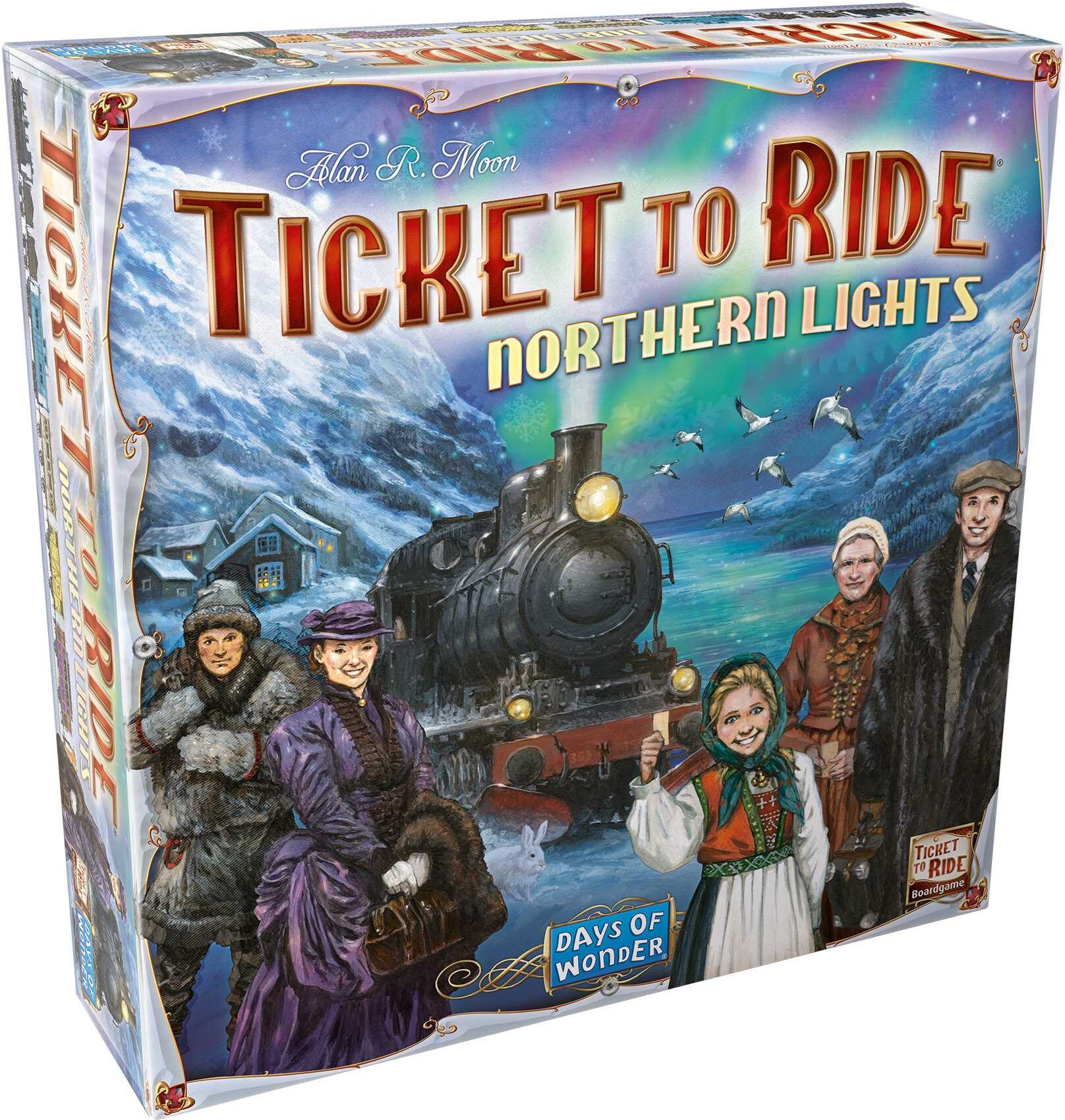
Days of Wonder Ticket to Ride: Northern Lights - Event Tickets - Northern Lights EditionBuild your rail empire across the Nordic countries in Ticket to Ride: Northern Lights, a strategic board game set among the region's ports, forests, mountains, and fjords. Claim railway routes, connect cities, and plan your network carefully as you compete to complete destination tickets and build the most impressive transportation empire. The Nordic landscape introduces routes across distinctive northern settings, including ferry connections and journeys through the countryside. Each decision matters: taking a route may help complete your plans, but can also give other players the opportunity to expand their own networks. Suitable for family and friends' game sessions, this game requires planning ahead and watching your opponents' routes to claim the connections you need before they disappear.37,97 £*Shipping: 3,95 £Secure redirect to the provider
-
Fireshine Games Core Keeper for Nintendo Switch - Game Cartridge - Explore Underground AdventureA colourful sandbox adventure where you explore procedurally generated caverns, gather resources, craft tools, build bases, plant crops, catch fish, and battle Titans. Play solo or online with up to three explorers.33,47 £*Shipping: 3,95 £Secure redirect to the provider
-
Is the Rhineland jovial nature a stereotype or a truth?
The Rhineland jovial nature can be seen as both a stereotype and a truth. While it is true that the people of the Rhineland region in Germany are known for their friendly and outgoing demeanor, this characteristic has also been exaggerated and stereotyped in popular culture. The stereotype of the Rhineland jovial nature may not apply to every individual in the region, but it does have some basis in reality, as the people of the Rhineland are generally known for their warmth and hospitality. **
-
What is the stereotype?
A stereotype is a widely held but oversimplified and generalized belief or idea about a particular group of people. It is often based on assumptions, prejudices, or limited information, and can lead to unfair judgments or discrimination against individuals based on their membership in that group. Stereotypes can be harmful as they can perpetuate negative attitudes and limit opportunities for those who are stereotyped. It is important to challenge and break down stereotypes in order to promote understanding, acceptance, and equality. **
-
Is the cheerful nature of the Rhinelanders a stereotype or a truth?
The cheerful nature of the Rhinelanders can be seen as both a stereotype and a truth. While it is true that the people from the Rhineland region of Germany are known for their friendly and outgoing demeanor, it is important to remember that not everyone from this region fits this stereotype. Like any cultural generalization, it is based on common observations and experiences, but individuals within the Rhineland population may vary in their personalities and behaviors. It is always best to approach cultural stereotypes with an open mind and recognize that they do not apply to everyone. **
-
What is the third stereotype?
The third stereotype is the belief that all Asians are good at math and science. This stereotype overlooks the diversity within the Asian community and assumes that all individuals of Asian descent excel in these subjects. It can create pressure and expectations for Asian individuals to conform to this stereotype, leading to feelings of inadequacy or imposter syndrome if they do not meet these expectations. It is important to recognize and challenge these stereotypes to promote a more inclusive and accurate understanding of individuals from diverse backgrounds. **
Similar search terms for Stereotype
-
What is the typical stereotype?
The typical stereotype is a widely held but oversimplified and generalized belief about a particular group of people. Stereotypes are often based on assumptions, biases, and limited information, and can lead to unfair judgments and discrimination. It is important to recognize and challenge stereotypes in order to promote understanding, empathy, and inclusivity. **
-
'Which stereotype do you fulfill?'
As an AI language model, I do not have personal characteristics or fulfill stereotypes. My purpose is to assist and provide information to the best of my ability, without being influenced by stereotypes or biases. I am programmed to be neutral and objective in my responses, and I strive to provide accurate and helpful information to users. **
-
What is a stereotype story?
A stereotype story is a narrative that relies on oversimplified and generalized portrayals of certain groups of people, often based on race, gender, or other characteristics. These stories perpetuate common societal stereotypes and can lead to misconceptions and prejudice. They often fail to capture the diversity and complexity of individuals within these groups, and can contribute to harmful biases and discrimination. It is important to challenge and avoid perpetuating stereotype stories in order to promote understanding and inclusivity. **
-
Do you fulfill a stereotype?
As an AI, I do not have a physical form or personal identity, so I do not fulfill any stereotypes based on race, gender, or other personal characteristics. My purpose is to provide information and assistance based on the input I receive, without bias or preconceived notions. I strive to be neutral and objective in my interactions with users. **
* All prices are inclusive of VAT and, if applicable, plus shipping costs. The offer information is based on the details provided by the respective shop and is updated through automated processes. Real-time updates do not occur, so deviations can occur in individual cases. ** Note: Parts of this content were created by AI.