Buy nordlichter.eu ?
We are moving the project
nordlichter.eu .
Are you interested in purchasing the domain
nordlichter.eu ?
domain@kv-gmbh.de · 0541-91531010
Buy nordlichter.eu ?
'besteht?' translates to 'exists?' in English.
"Besteht?" translates to "exists?" in English. This question is used to inquire about the presence or existence of something. It is often used to confirm whether something is real or present in a particular situation. For example, "Besteht dieses Problem?" translates to "Does this problem exist?" **
'dunklen?' translates to 'dark?' in English.
Yes, "dunklen?" translates to "dark?" in English. The word "dunklen" is the accusative form of the adjective "dunkel" in German, and it is used to inquire about the darkness of something. In English, the question mark at the end indicates that the speaker is asking if something is dark or if a situation is unclear or mysterious. **

Similar search terms for Translates
Top-Angebote
Products related to Translates:


-
'kommt?' translates to 'coming?' in English.
"Kommt?" is a question in German that translates to "coming?" in English. It is used to inquire about someone's arrival or presence at a certain place or event. The question is often used to confirm if someone is on their way or if they plan to attend a specific location or gathering. **
-
'aus?' translates to 'out?' in English.
''aus?'' is a German word that translates to ''out?'' in English. It is commonly used to inquire if someone is leaving or going out of a place. The question mark at the end indicates that it is a question. **
-
'Fragt' translates to 'ask' in English.
In German, the word 'fragt' translates to 'ask' in English. It is the imperative form of the verb 'fragen,' which means 'to ask.' So, 'fragt' is used to give a command or request for someone to ask a question or inquire about something. For example, "Fragt ihn, ob er heute Abend kommen kann" translates to "Ask him if he can come tonight." **
-
'kann?' translates to 'can?' in English.
Yes, "kann?" translates to "can?" in English. It is a simple question in both languages that is used to inquire about someone's ability or permission to do something. The word "kann" is the conjugated form of the German verb "können," which means "to be able to" or "can." Similarly, "can" is the modal verb in English used to express ability or permission. **


'sieht?' translates to 'looks?' in English.
''Sieht?'' is a question in German that translates to ''looks?'' in English. It is often used to inquire about the appearance or visual perception of something. This question prompts the listener to provide their opinion or observation regarding what they see. **
'auffällt?' translates to 'stands out?' in English.
Yes, "auffällt?" translates to "stands out?" in English. It is a question that asks whether something is noticeable or distinctive. For example, if someone asks "Was fällt dir an diesem Bild auf?" it means "What stands out to you in this picture?" This question is often used to prompt someone to identify the most prominent or striking aspect of something. **
Top-Angebote
Products related to Translates:
-
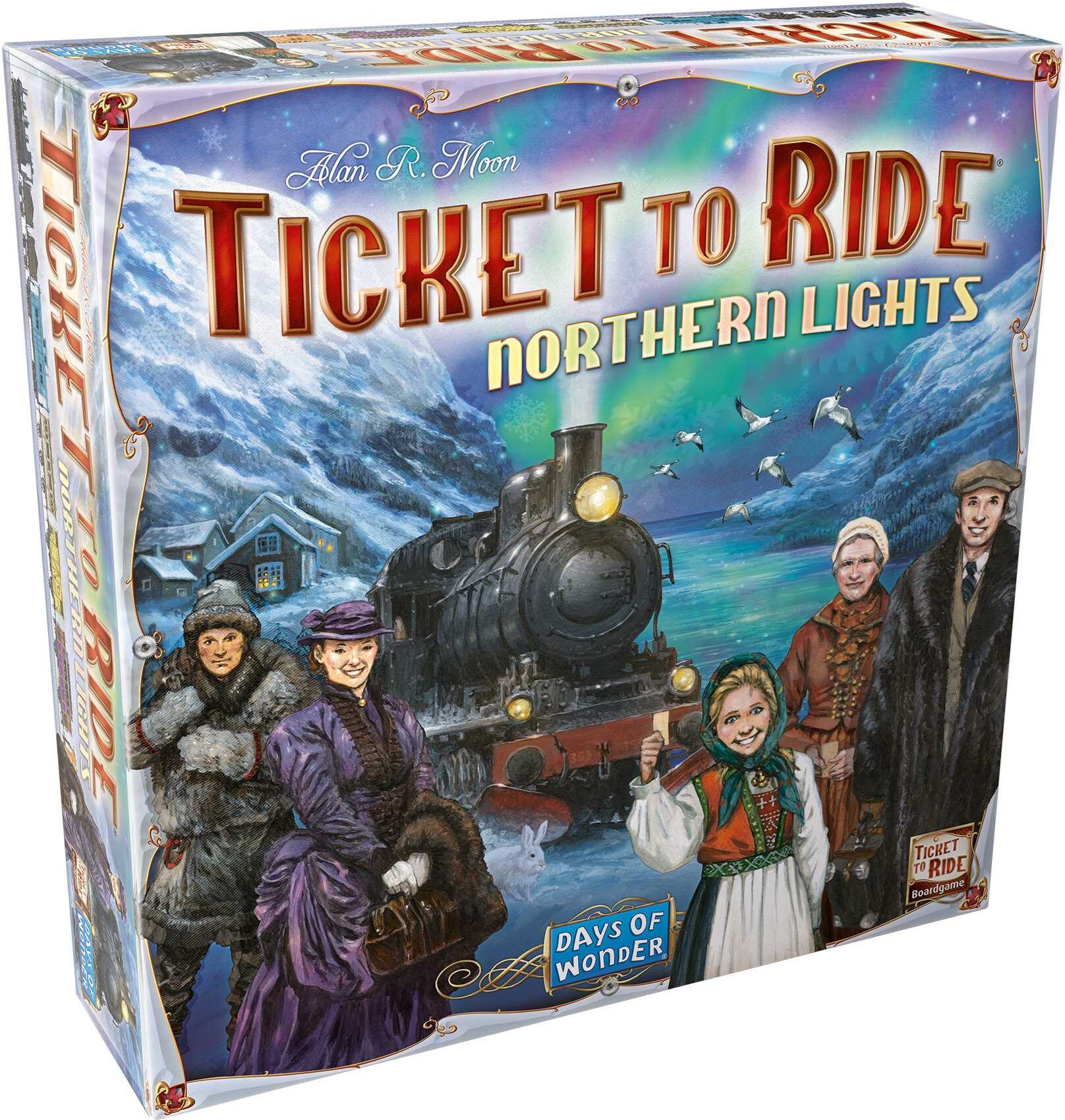
Days of Wonder Ticket to Ride: Northern Lights - Event Tickets - Northern Lights EditionBuild your rail empire across the Nordic countries in Ticket to Ride: Northern Lights, a strategic board game set among the region's ports, forests, mountains, and fjords. Claim railway routes, connect cities, and plan your network carefully as you compete to complete destination tickets and build the most impressive transportation empire. The Nordic landscape introduces routes across distinctive northern settings, including ferry connections and journeys through the countryside. Each decision matters: taking a route may help complete your plans, but can also give other players the opportunity to expand their own networks. Suitable for family and friends' game sessions, this game requires planning ahead and watching your opponents' routes to claim the connections you need before they disappear.37,97 £*Shipping: 3,95 £Secure redirect to the provider
-
Fireshine Games Core Keeper for Nintendo Switch - Game Cartridge - Explore Underground AdventureA colourful sandbox adventure where you explore procedurally generated caverns, gather resources, craft tools, build bases, plant crops, catch fish, and battle Titans. Play solo or online with up to three explorers.33,07 £*Shipping: 3,95 £Secure redirect to the provider
-
'besteht?' translates to 'exists?' in English.
"Besteht?" translates to "exists?" in English. This question is used to inquire about the presence or existence of something. It is often used to confirm whether something is real or present in a particular situation. For example, "Besteht dieses Problem?" translates to "Does this problem exist?" **
-
'dunklen?' translates to 'dark?' in English.
Yes, "dunklen?" translates to "dark?" in English. The word "dunklen" is the accusative form of the adjective "dunkel" in German, and it is used to inquire about the darkness of something. In English, the question mark at the end indicates that the speaker is asking if something is dark or if a situation is unclear or mysterious. **
-
'kommt?' translates to 'coming?' in English.
"Kommt?" is a question in German that translates to "coming?" in English. It is used to inquire about someone's arrival or presence at a certain place or event. The question is often used to confirm if someone is on their way or if they plan to attend a specific location or gathering. **
-
'aus?' translates to 'out?' in English.
''aus?'' is a German word that translates to ''out?'' in English. It is commonly used to inquire if someone is leaving or going out of a place. The question mark at the end indicates that it is a question. **
Similar search terms for Translates
-
'Fragt' translates to 'ask' in English.
In German, the word 'fragt' translates to 'ask' in English. It is the imperative form of the verb 'fragen,' which means 'to ask.' So, 'fragt' is used to give a command or request for someone to ask a question or inquire about something. For example, "Fragt ihn, ob er heute Abend kommen kann" translates to "Ask him if he can come tonight." **
-
'kann?' translates to 'can?' in English.
Yes, "kann?" translates to "can?" in English. It is a simple question in both languages that is used to inquire about someone's ability or permission to do something. The word "kann" is the conjugated form of the German verb "können," which means "to be able to" or "can." Similarly, "can" is the modal verb in English used to express ability or permission. **
-
'sieht?' translates to 'looks?' in English.
''Sieht?'' is a question in German that translates to ''looks?'' in English. It is often used to inquire about the appearance or visual perception of something. This question prompts the listener to provide their opinion or observation regarding what they see. **
-
'auffällt?' translates to 'stands out?' in English.
Yes, "auffällt?" translates to "stands out?" in English. It is a question that asks whether something is noticeable or distinctive. For example, if someone asks "Was fällt dir an diesem Bild auf?" it means "What stands out to you in this picture?" This question is often used to prompt someone to identify the most prominent or striking aspect of something. **
* All prices are inclusive of VAT and, if applicable, plus shipping costs. The offer information is based on the details provided by the respective shop and is updated through automated processes. Real-time updates do not occur, so deviations can occur in individual cases. ** Note: Parts of this content were created by AI.